
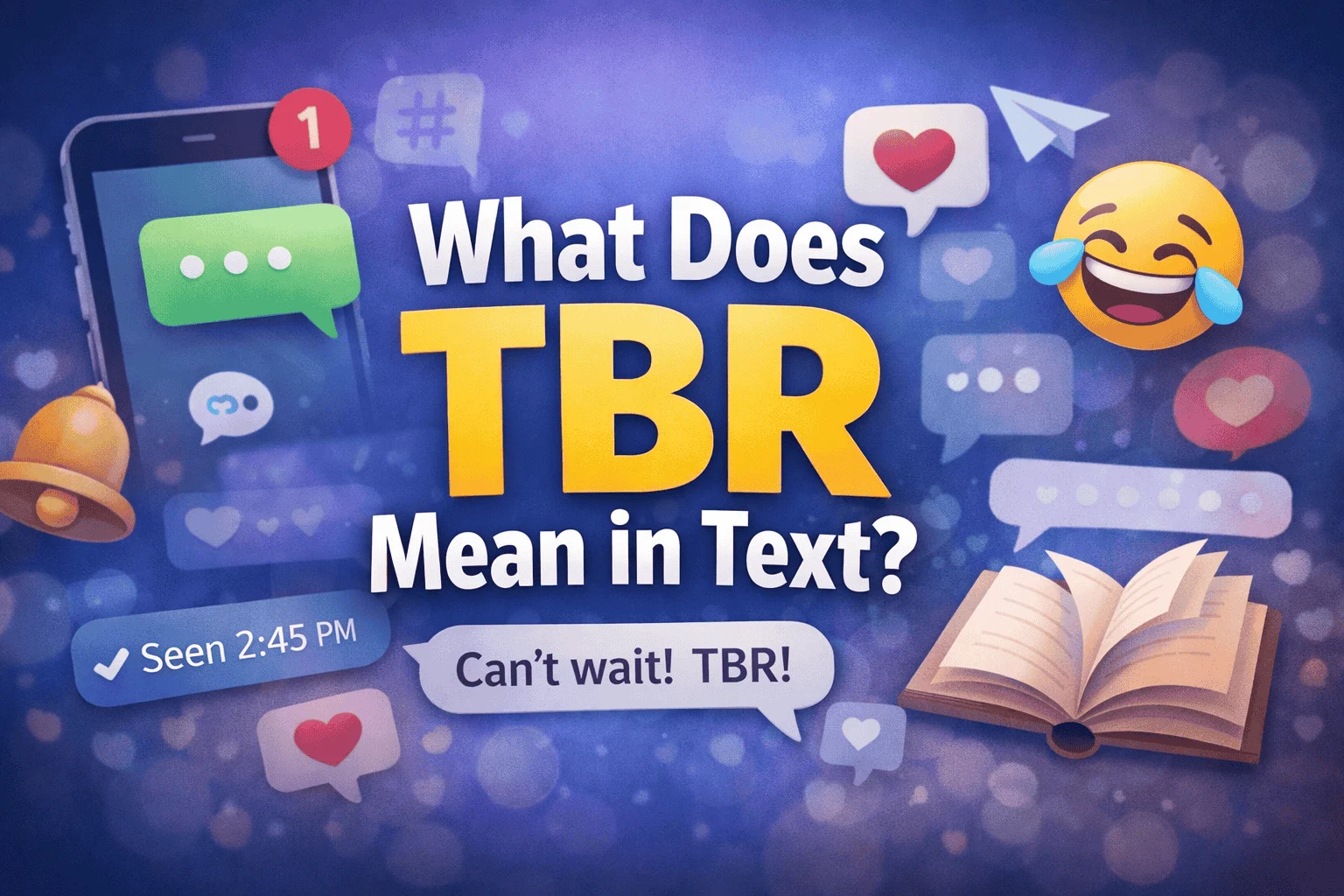
In the world of texting, social media, and instant messaging, abbreviations pop up constantly. One of the most common yet confusing ones you might have come across is TBR. If you’ve ever scratched your head seeing it in a message or comment, you are not alone. This small, three-letter abbreviation carries more meaning than it seems at first glance and has become a staple in online and texting culture.
Whether you’re scrolling through WhatsApp chats, Instagram DMs, or TikTok comments, knowing what TBR means can save you from misunderstandings and make you feel more in tune with modern digital communication.
TBR – Quick Meaning
TBR typically stands for “To Be Read.” It is widely used in book communities, social media, and casual conversations. Here’s a quick breakdown:
- Primary Meaning: To Be Read
- Context: Usually references a book, article, or content someone intends to read
- Usage Example 1: “I just got this new fantasy novel. TBR for this weekend!”
- Usage Example 2: “That blog post looks interesting. Adding it to my TBR list.”
- Usage Example 3: “Your recommendations are amazing! TBR asap.”
In short, TBR signals intent. It’s like a digital bookmark for your future attention.
Origin & Background
The abbreviation TBR has roots in the early internet and book-loving communities. Originally, readers on forums and blogs like Goodreads would use it to track their upcoming reads. Over time, it spread to casual texting and social media platforms.
Social media platforms, especially Instagram and TikTok, have popularized TBR lists as a fun way to show what someone plans to read. The rise of content sharing and “recommendation culture” online made TBR a shorthand for expressing curiosity and anticipation.
Interestingly, the meaning has slightly evolved. While it started strictly with books, TBR now applies to articles, videos, and even TikTok trends. When someone says “TBR,” it’s not just about reading—it’s about planning, prioritizing, and showing interest.
Real-Life Conversations
Here are some realistic examples of how TBR appears in everyday messaging:
WhatsApp
Person A: “Hey, have you seen the latest fantasy series by Brandon Sanderson?”
Person B: “Not yet, adding it to my TBR list!”
Instagram DM
Person A: “I just posted my top 10 must-read novels for 2026.”
Person B: “Whoa, thanks! TBR for sure!”
TikTok Comments
Person A: posts video reviewing a historical fiction book
Person B: “This looks amazing, definitely TBR!”
Text Message
Person A: “Found a great article about productivity hacks.”
Person B: “TBR! Can’t wait to check it out.”
These examples show that TBR communicates both intent and excitement in a friendly, relatable way.
Emotional & Psychological Meaning
On a deeper level, TBR carries more than just logistical intent. Using TBR expresses curiosity, anticipation, and engagement. It reflects the modern need to manage information flow in a world where content is endless.
For example, if someone texts you about a book and you reply with TBR, it conveys:
- Interest in their suggestion
- Desire to follow through
- Engagement in shared hobbies or culture
Imagine receiving a recommendation from a friend for a book you’ve been meaning to explore. Typing TBR isn’t just shorthand—it’s a small, affirmative gesture that says, “I value your input and plan to act on it.”
Usage in Different Contexts
Social Media: TBR is often used in posts, comments, and stories to track content or reading lists.
Friends & Relationships: Sharing TBR lists can spark conversations and deepen connections over shared interests.
Work / Professional Settings: Rarely used, but could apply when sharing reading resources or industry articles in informal chats.
Casual vs Serious Tone: TBR is inherently casual. Using it in professional emails may seem out of place, but in friendly threads, it shows engagement and enthusiasm.
When NOT to Use It
TBR is not universal. Avoid using it when:
- Messaging someone unfamiliar with internet abbreviations
- Writing formal or professional documents
- Referring to topics outside reading or content consumption
Misusing TBR could create confusion, especially across cultures or generations unfamiliar with casual texting slang.
Common Misunderstandings
People often misinterpret TBR in the following ways:
- Thinking it’s a request rather than a personal note
- Mistaking it for “To Be Responded” or “To Be Resolved” in professional contexts
- Confusing casual excitement with obligation
Understanding context is crucial. If someone says TBR about a book, they likely mean intent to read, not a promise.
TBR Comparison Table
| Abbreviation | Meaning | Tone | Related Expression | Opposite |
|---|---|---|---|---|
| TBR | To Be Read | Casual | Wishlist, Reading Queue | Read, Finished |
| TBD | To Be Determined | Neutral | Pending Decision | Decided |
| TBH | To Be Honest | Casual, Confessional | Honestly, Frankly | Dishonest, Guarded |
| TBA | To Be Announced | Neutral | Upcoming, Soon | Known, Confirmed |
| FYI | For Your Information | Neutral | Informative | Secret, Unshared |
Key Insight: While TBR is casual and personal, similar abbreviations like TBD or TBA are used for logistics or planning. Understanding nuance is key to clear communication.
Variations / Types of TBR
- TBR List – A curated list of items to read
- Digital TBR – Online bookmarks or saved content
- Personal TBR – Books saved for personal reading only
- Friend-Recommendation TBR – Suggested by friends
- Trending TBR – Popular content on social media
- Seasonal TBR – Books planned for a particular time
- Video/Article TBR – Applies beyond books
- Wishlist TBR – Combined with shopping or reading wishlists
- Evergreen TBR – Items saved indefinitely
- Priority TBR – High-interest items prioritized for immediate reading
How to Respond When Someone Uses TBR
Casual reply: “Nice, can’t wait to see your thoughts.”
Funny reply: “Better start reading, we can’t let your TBR pile win!”
Mature reply: “I’m sure you’ll enjoy it when you get to it.”
Respectful reply: “Thanks for the recommendation, I’ll add it to my list.”
Regional & Cultural Usage
Western Culture: Primarily used among readers and online communities.
Asian Culture: Popular in youth culture, especially for tracking webtoons or manga.
Middle Eastern Culture: Less common, mostly in English-speaking online communities.
Global Internet Usage: Widespread among English-literate audiences; adoption depends on social media literacy.
Generational Differences: Gen Z uses TBR frequently in social media; Millennials might use it more in email threads or book clubs.
Is It Safe for Kids?
Yes. TBR is a neutral abbreviation with no offensive meaning. Children in reading or social media contexts can safely use it, especially when discussing books or educational content.
FAQs About TBR
Q1: Can TBR refer to movies or shows?
Yes, while originally for books, it now applies to any content someone plans to consume.
Q2: Is TBR formal?
No, it’s casual and best used in informal settings.
Q3: Can I use TBR in professional emails?
Not recommended, as it may seem unprofessional or confusing.
Q4: Is TBR only used online?
Mostly, but it can appear in text messages or notes.
Q5: What is the difference between TBR and TBD?
TBR = “To Be Read” (personal content). TBD = “To Be Determined” (decision or schedule pending).
Q6: How do I shorten a TBR list?
Prioritize items by interest, urgency, or recommendations.
Q7: Does everyone know TBR?
Not everyone. Clarifying may help in mixed-age or less tech-savvy groups.
Conclusion
TBR may seem small, but it carries significant meaning in modern communication. It’s a gesture of curiosity, intent, and engagement, bridging friendships and shared interests. Whether you’re adding books to your TBR list or bookmarking articles for later, this simple abbreviation helps organize your digital life while showing you value content and recommendations.
Next time you see TBR, embrace it confidently. It’s more than shorthand—it’s a modern, human way of saying, “I’m interested, and I plan to engage.”