
If you’ve spent any time scrolling through messages, comments, or social media captions, you’ve probably seen “LMS” pop up and wondered what it really means.
At first glance, it can feel confusing because “LMS” doesn’t have just one fixed meaning. It shifts depending on context, tone, and platform. That’s exactly why so many people search for it. They want to avoid misreading a message or responding in a way that feels off.
In this guide, you’ll get a clear, experience-based understanding of what LMS means in text, how people actually use it, and how to respond with confidence. No guesswork. Just real communication insight that helps you sound natural in any conversation.
LMS – Quick Meaning
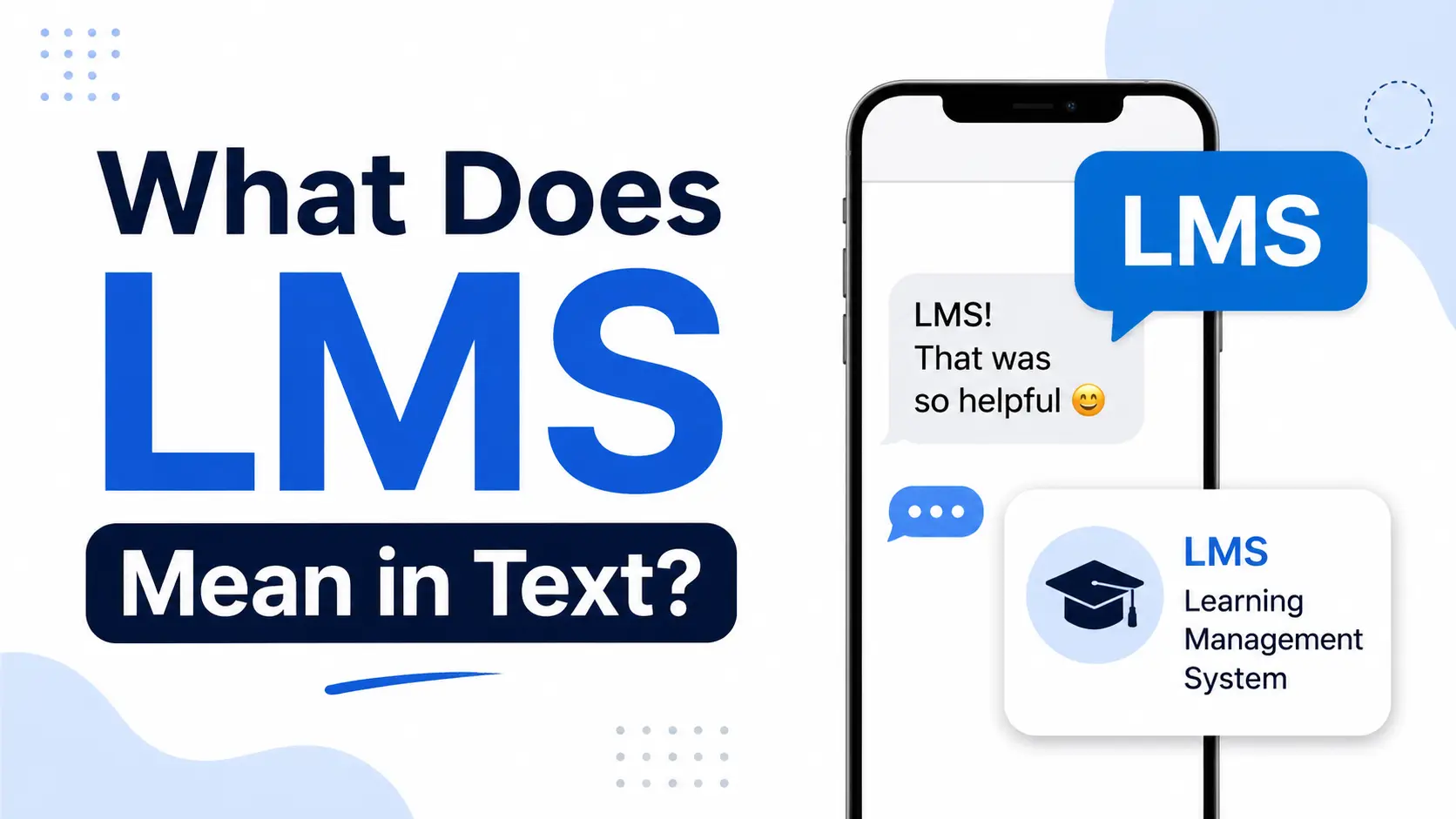
LMS most commonly means:
- Like My Status
- Sometimes: Let Me See
- Rarely: Learning Management System in formal or academic contexts
In everyday texting and social media, it almost always means Like My Status.
Quick Examples
- “New haircut 😎 LMS if you like it!”
- “LMS and I’ll DM you”
- “Feeling bored… LMS so I know who’s online”
The tone is usually casual, attention-seeking, or playful.
Origin & Background
LMS became popular during the early days of social media platforms where engagement mattered more than anything else. It first gained traction on platforms like Facebook, where users would post updates asking others to “like my status” as a way to boost visibility.
Over time, it evolved into a shorthand that fit perfectly into fast-paced digital communication.
As messaging apps and platforms like Instagram and TikTok grew, LMS adapted. It became less about algorithms and more about social signaling. People started using it to:
- Test who is paying attention
- Start conversations without directly messaging
- Build a sense of connection or validation
Today, LMS reflects a broader trend in online culture where small interactions carry emotional meaning.
Real-Life Conversations
Here’s how LMS actually appears in real conversations across different platforms.
Person A: Feeling kinda off today… LMS if you care
Person B: I liked it. You okay?
Instagram DMs
Person A: Posted something new 👀 LMS and I’ll tell you a secret
Person B: Haha okay I liked it. Now tell me
TikTok Comments
Person A: LMS and I’ll rate your profile
Person B: Done 😭 be nice please
Text Messages
Person A: Just posted a pic. LMS if it’s decent
Person B: Liked. It’s more than decent
These examples show that LMS is rarely just about liking. It often opens the door to deeper interaction.
Emotional & Psychological Meaning
At its core, LMS is about seeking connection and validation.
When someone uses LMS, they might be:
- Looking for reassurance
- Wanting attention in a lighthearted way
- Testing who is actively engaging with them
- Trying to start a conversation without being direct
It reflects how modern communication has become more indirect but emotionally layered.
A relatable scenario
Imagine someone posts “LMS if you still remember me.”
On the surface, it seems simple. But underneath, it carries a deeper emotional tone. It hints at insecurity, nostalgia, or even loneliness.
That’s the real power of LMS. It says more than it looks like.
Usage in Different Contexts
Social Media
This is where LMS is most common.
People use it to:
- Boost engagement
- Interact with followers
- Create fun or curiosity-driven posts
Example: “LMS and I’ll guess your vibe”
Friends & Relationships
Among friends, LMS can feel playful or slightly emotional.
- “LMS if you miss me”
- “LMS and I’ll call you later”
In relationships, it can sometimes hint at reassurance or attention-seeking.
Work / Professional Settings
LMS is not appropriate in professional communication.
Instead of clarity, it can create confusion or appear unprofessional. Most workplaces expect direct language.
Casual vs Serious Tone
- Casual: “LMS for a surprise 😄”
- Slightly serious: “LMS if you actually care”
Tone depends heavily on context and wording.
When NOT to Use It
There are moments where LMS can feel awkward or even inappropriate.
Avoid using it:
- In formal emails or workplace chats
- In serious discussions where clarity matters
- When talking to people unfamiliar with slang
- In emotionally sensitive situations where indirect language may hurt
For example, saying “LMS if you support me” during a serious issue might come off as passive or unclear.
Common Misunderstandings
1. Thinking it always means the same thing
While “Like My Status” is the most common meaning, context still matters. Sometimes it can mean “Let Me See.”
2. Misreading the tone
LMS can be playful or emotional. Misreading it can lead to awkward responses.
3. Taking it too literally
It’s not always about the actual “like.” It’s often about attention, connection, or starting a conversation.
Comparison Table
| Expression | Meaning | Tone | Usage |
|---|---|---|---|
| LMS | Like My Status | Casual, social | Engagement, attention |
| LYK | Let You Know | Neutral | Informational |
| IMO | In My Opinion | Thoughtful | Sharing views |
| IDC | I Don’t Care | Dismissive | Emotional response |
| DM Me | Direct Message Me | Direct | Conversation starter |
Key Insight:
LMS stands out because it blends action with emotion. It’s not just about liking something. It’s about signaling presence and interest in a subtle way.
Variations / Types
Here are common variations you might see:
- LMS if you agree
Used to gather opinions. - LMS for a rate
People like your post to get rated. - LMS and I’ll DM you
Encourages private conversation. - LMS if you’re real
Tests engagement or loyalty. - LMS for honesty
Invites feedback. - LMS and I’ll follow back
Used for growth on social media. - LMS if you miss me
Emotionally expressive. - LMS for a truth
Often used in games or trends. - LMS and I’ll describe you
Interactive and playful. - LMS if you see this
Checks who is active or paying attention.
How to Respond When Someone Uses It
Casual Replies
- “Liked 👍”
- “Done 😄”
- “Got you”
Funny Replies
- “I liked it. Now where’s my reward?”
- “Liked. Expect greatness in return”
Mature Replies
- “I saw your post and liked it. Hope you’re doing okay”
- “I engaged with your post. Let me know if you need anything”
Respectful Replies
- “Liked your post. Wishing you well”
- “I supported your update. Take care”
Your response depends on your relationship with the person and the tone they used.
Regional & Cultural Usage
Western Culture
LMS is widely used in casual social media environments. It often feels playful and engagement-driven.
Asian Culture
Usage exists but may be less frequent. Direct communication is often preferred in many contexts.
Middle Eastern Culture
LMS is understood among younger users, especially on global platforms. However, tone and appropriateness are more carefully considered.
Global Internet Usage
Across the internet, LMS is recognized as informal slang. Its meaning stays mostly consistent, especially among younger users.
Generational Differences
- Gen Z: Uses LMS naturally and creatively
- Millennials: Understand it but may use it less frequently
For older generations, it may feel unfamiliar or unnecessary.
Is It Safe for Kids?
LMS itself is harmless. It does not contain offensive or inappropriate meaning.
However, context matters.
Children should understand:
- Not to rely on likes for self-worth
- That online validation is not always meaningful
Used responsibly, it’s just another piece of digital communication.
FAQs
1. What does LMS stand for in texting?
It usually means “Like My Status,” especially on social media.
2. Can LMS mean something else?
Yes. In some contexts, it can mean “Let Me See,” but that is less common.
3. Is LMS still popular?
Yes, especially among younger users and on platforms like Instagram and TikTok.
4. Is LMS formal or informal?
It is completely informal and should not be used in professional communication.
5. Why do people use LMS?
Mostly to get attention, engagement, or start conversations indirectly.
6. Is using LMS considered attention-seeking?
Sometimes, but in a normal social media way. It is generally accepted behavior.
7. Should I respond to LMS posts?
Only if you want to engage. There is no obligation.
Conclusion
LMS might look like a simple abbreviation, but it reflects something deeper about how people communicate today.
It shows how we seek attention, connection, and reassurance in small, subtle ways. A simple “like” becomes a signal that someone noticed, cared, or was present in that moment.
Once you understand the tone and context behind LMS, it becomes easy to use and respond to naturally. You stop overthinking and start engaging with confidence.
And that’s what modern communication is really about. Not just words, but the feeling behind them.